
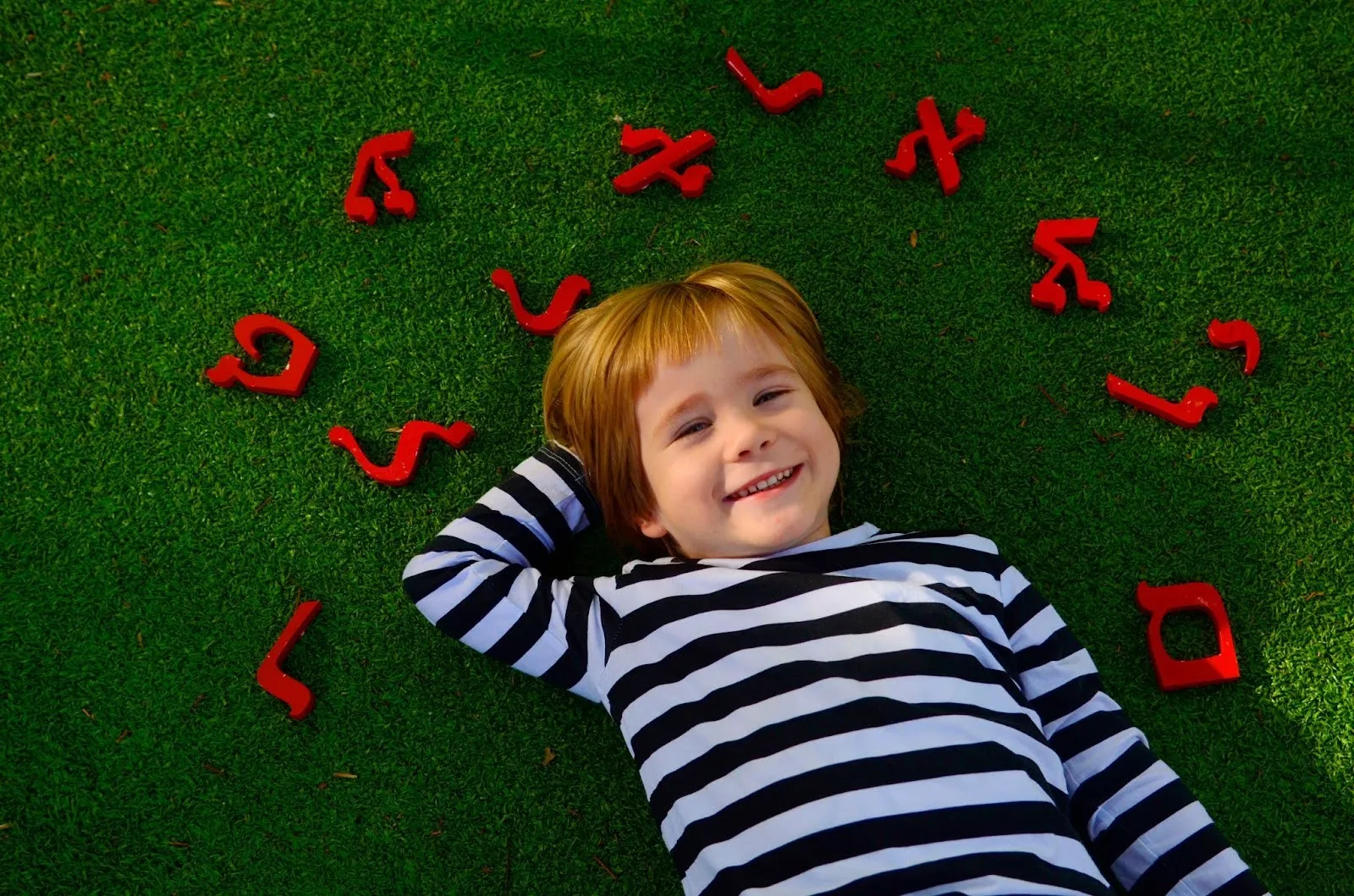
Why Hebrew Is Unique Amongst the World’s Languages
In a world filled with thousands of languages, few carry the historical depth, spiritual resonance, and modern appeal of Hebrew. More than just a means of communication, it’s a bridge across time, identity, and geography.
Hebrew is not only one of the oldest languages still spoken today, but also one of the very few to have experienced a wildly successful revival after centuries of limited use. So let’s dive deeper into the fascinating history of the Hebrew language, and a few of the many qualities that make it stand out amongst all the rest.
An Everlasting, Ancient Language
One of the world’s most ancient and influential languages, Hebrew’s earliest roots trace back over 3,000 years. As the original language of the Torah and some of the oldest known texts, it was spoken by prophets, poets, and in prayers. It was also a thriving common tongue.
After conquest and diaspora, Hebrew was eclipsed by other languages such as Greek, Latin, and Aramaic. For centuries, Hebrew stopped being spoken in day to day life, reserved mainly for liturgy and literature. But it never disappeared. It remained alive in ritual, in texts, and in the hearts of the Jewish people.
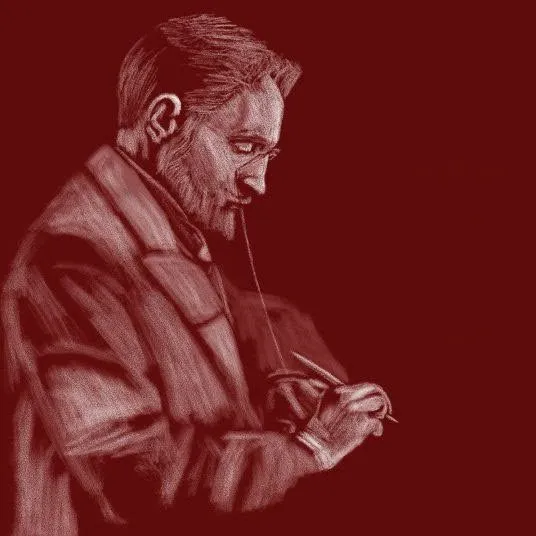
In the late 19th century, Eliezer Ben-Yehuda dedicated his life to reviving spoken Hebrew. He invented hundreds of new words, wrote Hebrew dictionaries, and encouraged people to use it in their everyday life. Today, Hebrew is the national language of Israel, spoken by over ten million people.
From tech startups to kitchen tables, from academic journals to chart-topping musical hits, Hebrew is alive and thriving. No other language has been revived on this scale, after such a long period of primarily liturgical use, and reestablished as a language of daily life.
For Jews around the world, Hebrew serves as a common thread and an unshakable fixture of culture and shared identity. More than vocabulary, it is a fundamental element of Jewish history and culture, linking people across generations and countries. Even those who don’t speak it fluently recognize it in songs, prayers, and names. It carries with it a sense of belonging and of being part of something bigger.
Hebrew is the language of holidays and home, wedding invitations and gravestones. For many, even a single Hebrew word like ẖay (חַי) carries layers of emotion, meaning, and memory.
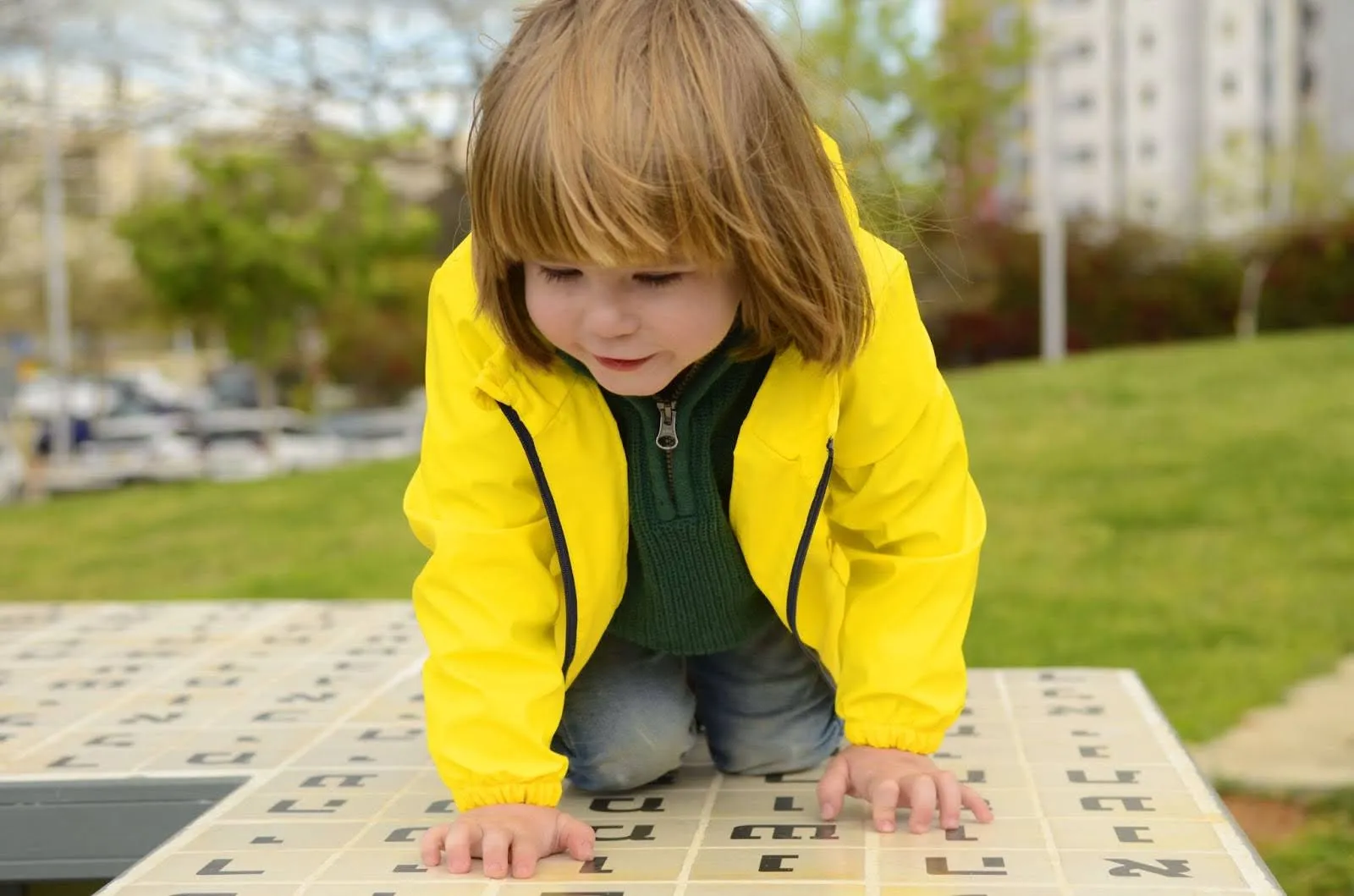
Most ancient languages are either lost in time or fossilized in books. But Hebrew lives, breathes, and evolves to this day. As the official authority on Hebrew, The Academy of the Hebrew Language works tirelessly to create new Hebrew words for a variety of modern concepts including legal and scientific terms, foreign loan words, and slang.
Want to say “jetlag” in Hebrew? It’s ya’efet. How about “selfie”? That’s tsillum atsmi. The Academy’s modern linguistic innovations keep the language vibrant and culturally relevant, while maintaining a strong connection to its biblical, historical, and cultural foundations.

Every year, Israelis and Hebrew speakers around the globe celebrate יום העברית (Yom HaIvrit), or Hebrew Language Day. Established by a 2012 government resolution to celebrate the language annually, this important event commemorates the work of Eliezer Ben-Yehuda, who was instrumental in the revival of the Hebrew language. It takes place on his birthday, the 21st of the Hebrew month of Tevet. This inspiring annual celebration connects Hebrew speakers everywhere through a variety of activities (including riddles, posters, events, and games) accessible to the public on the Academy’s website and social media platforms.
For more information on all of the Hebrew Language Day festivities, please visit the Academy’s website.
As Friends of the Academy of the Hebrew Language, we are honored to support the Academy’s outstanding efforts to preserve, protect, and evolve the Hebrew language. Visit our website to learn more about their fascinating work or to become a friend, today.

Read this blog to find out how The Academy of the Hebrew Language approaches the important task of creating guidelines for Hebrew transliteration.
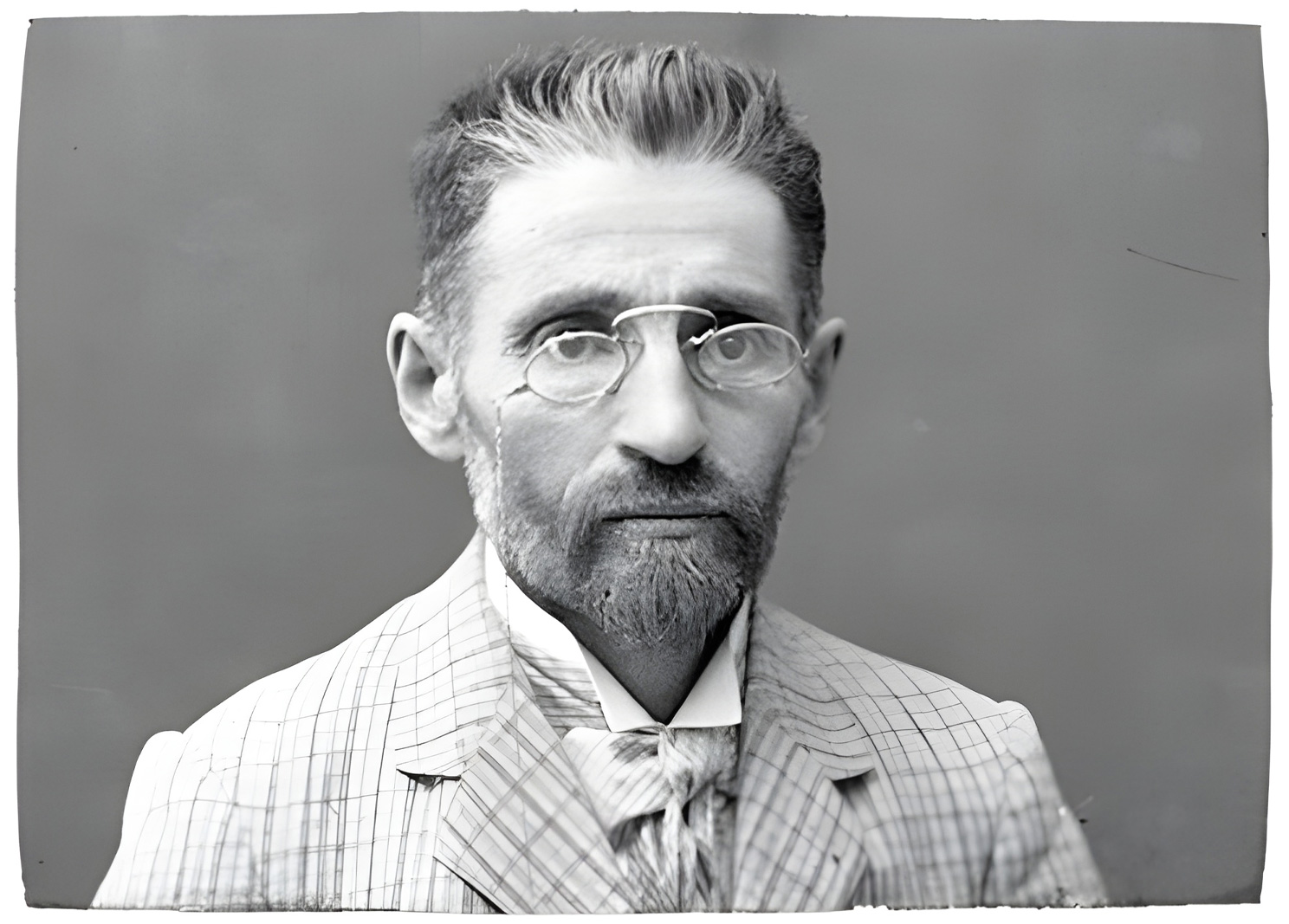
Let’s take a deeper look at the life of Eliezer Ben-Yehuda and his integral role in the revival of the Hebrew language to that we see today.
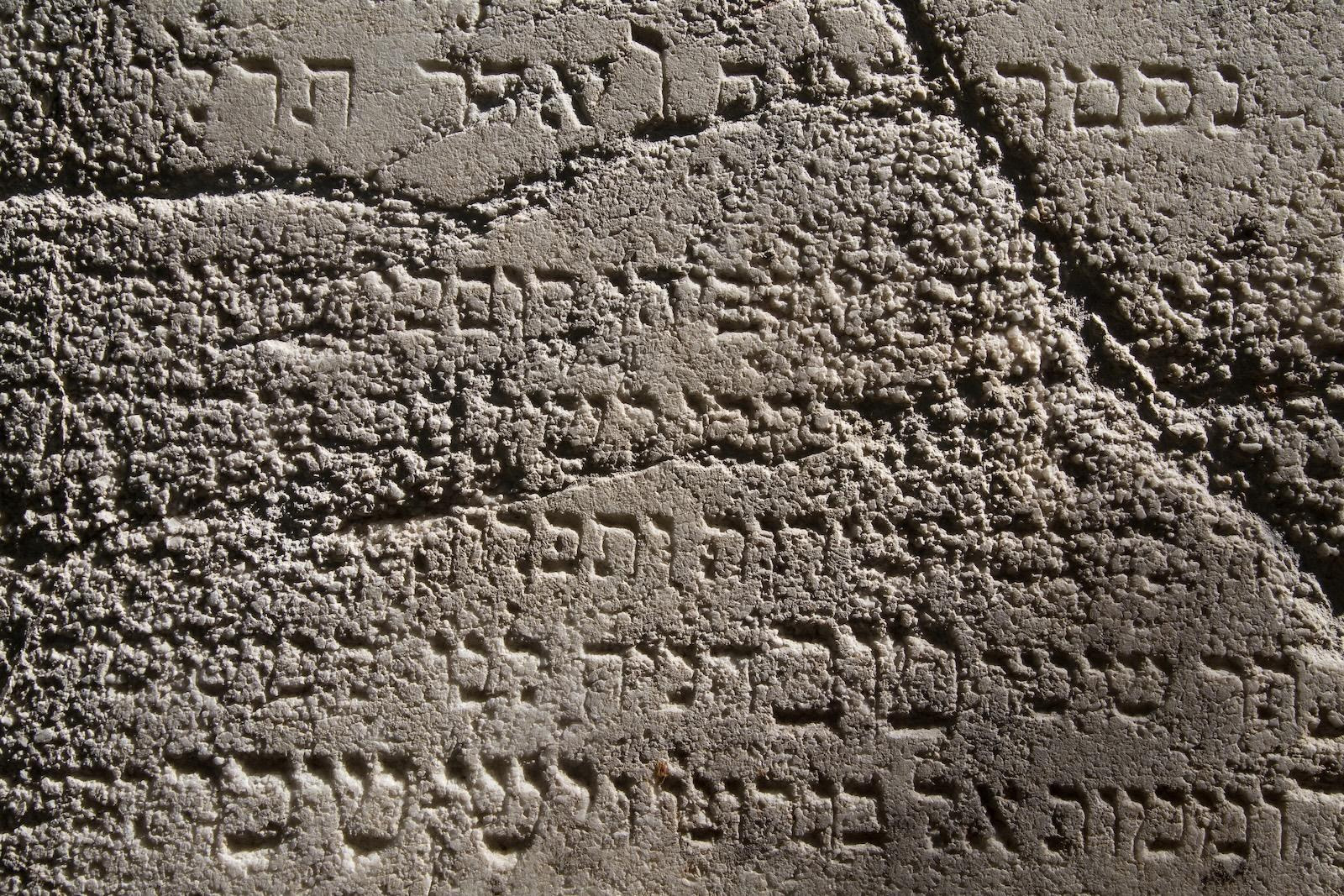
The history of the Hebrew language is rich, beautiful, and complex. To learn more, read our Hebrew history timeline: Hebrew through the ages!
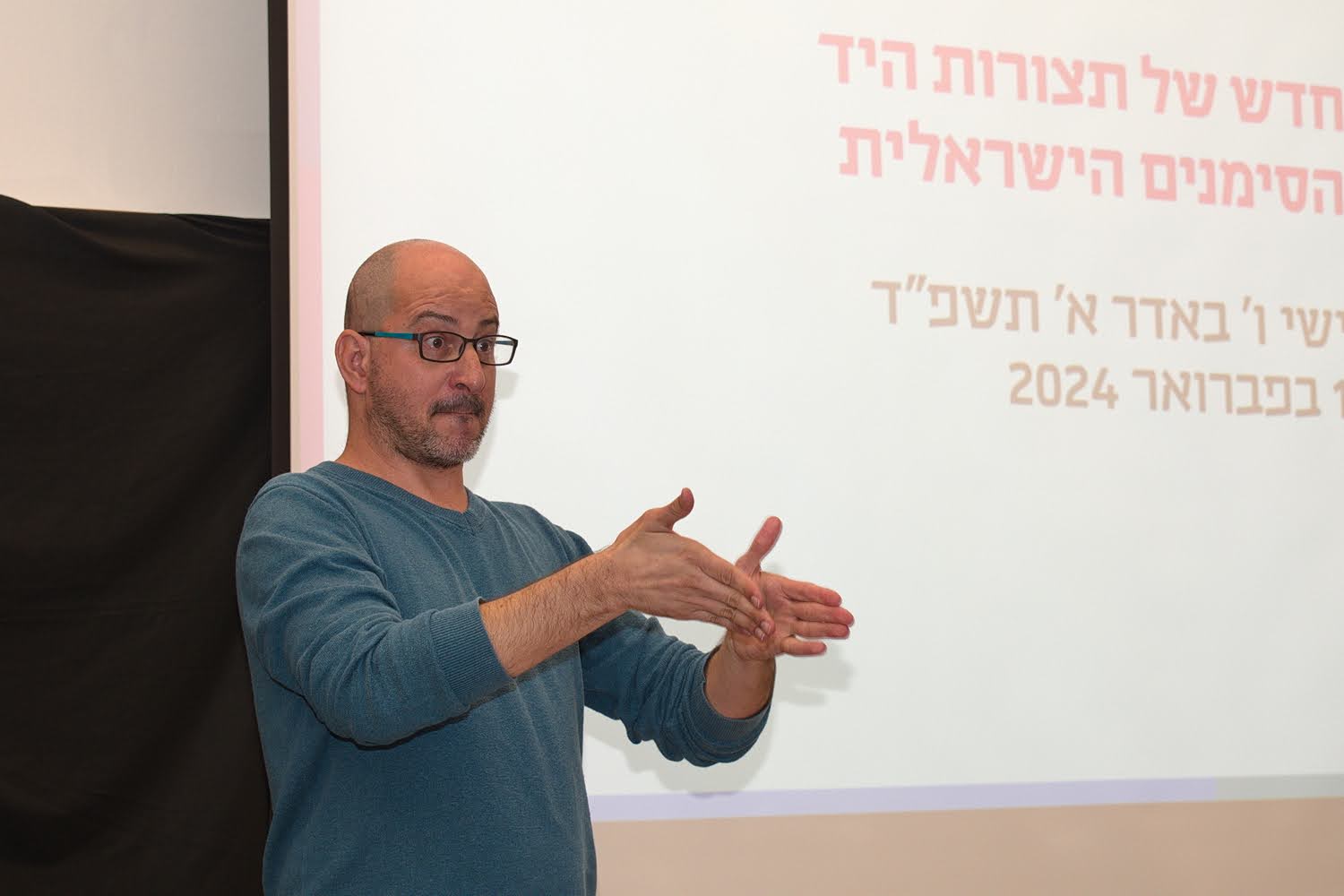
Learn the fascinating story of Israeli Sign Language, its inception, its ongoing development and its place in inclusive education.